Skip to content

Education · Research · International Cooperation

Advancing Education, Research and International Cooperation Across Borders

TNESC advances research, academic and interinstitutional cooperation, connecting Ukrainian expertise with leading universities worldwide, research organisations, professional networks and funding partners.

Kharkiv, 2017 · Scholarship and institutional cooperation shaped by wartime realities and long-term recovery

Academic Leadership Core

Scholarship, Leadership and Resilience in Wartime Ukraine

TNESC’s Academic Leadership Core brings together four professors whose academic and professional work continues in Kharkiv under wartime conditions. Their combined perspective anchors research for institutional resilience, recovery and international cooperation.

The research agenda is informed by lived institutional conditions and translated into evidence-based questions about law, education, science, population resilience, children, families and long-term recovery.

Prof. Vasyl RossikhinAcademic Core

Prof. Vasyl Rossikhin

President of TNESC

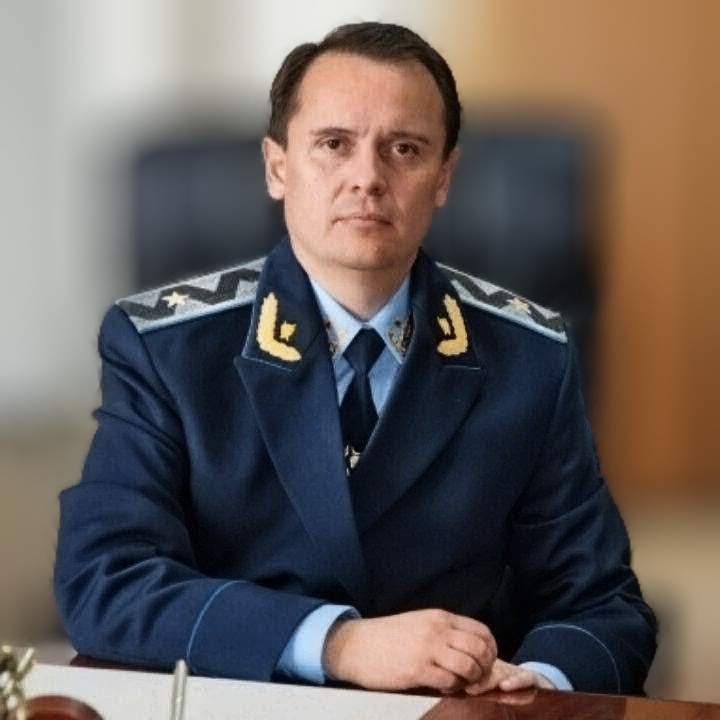
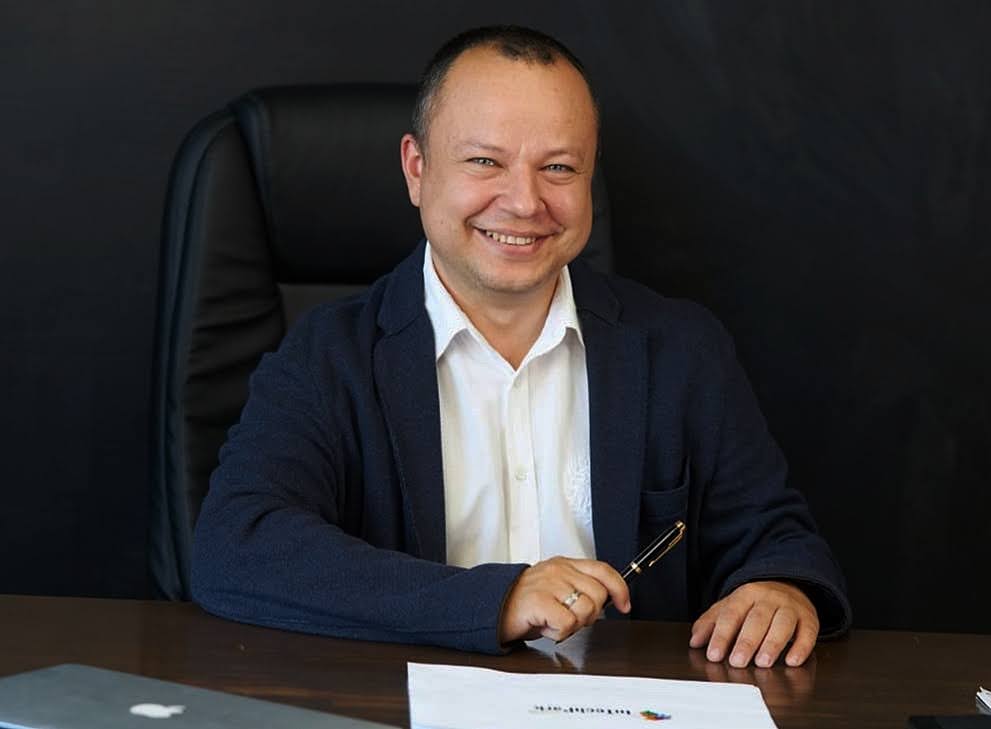
President of TNESC, Doctor of Law, Professor and Honoured Worker of Education of Ukraine. Legal scholar and founder of a scholarly school, with research interests in institutional development, governance and digital transformation.


Dr. Iryna PopovichAcademic Core

Dr. Iryna Popovich

Chair of the Supervisory Board of TNESC

Chair of the Supervisory Board, TNESC; Doctor of Law, Senior Researcher and Attorney-at-Law working across justice, administrative law and forensic science.

Prof. Evgen PopovichAcademic Core

Prof. Evgen Popovich

Academic Leadership Core

Doctor of Law, Professor, Honoured Lawyer of Ukraine and Attorney-at-Law; senior legal scholar and practitioner with extensive prosecutorial leadership and forensic-expert experience.

About TNESC

Knowledge. Cooperation. Recovery.

TNESC develops research, academic cooperation and institution-to-institution initiatives that connect Ukrainian expertise with international universities, research organisations, professional networks and funding partners.

Founded in Kharkiv in 2017, TNESC operates as a public non-profit organisation with a growing focus on evidence-based research, international consortium building and programmes relevant to wartime resilience and post-war recovery.

2017

Established in Kharkiv, Ukraine

EN / UA

Bilingual international platform

Research

Research cooperation and grant-ready concepts

Non-profit

Public-interest non-profit organisation

Strategic Research Priorities

Research shaped by wartime realities and long-term recovery

TNESC develops interdisciplinary research themes that can become collaborative studies, policy outputs and fundable international programmes.

01Research priority

Law, Governance & Justice

Rule of law, rights, public institutions and justice under disruption and recovery.

02Research priority

Education & Science in Wartime and Post-War Recovery

Continuity and sustainable rebuilding of education, universities and research systems.

03Strategic axis

Population, Demography, Migration & Human Capital

Population change, birth and mortality trends, migration, return, labour capacity and human-capital renewal.

04Major cross-cutting cluster

Children, Families & Future Generations

A cross-cutting focus on children’s rights, family resilience, education, health, disability inclusion, protection and reintegration.

05Research priority

Taxation, Social Policy & Economic Recovery

Fiscal policy, social guarantees, recovery incentives and resilient public finance.

06Research priority

Forensic Science, DNA Identification & Humanitarian Challenges

Forensic science, DNA identification, forensic expertise and humanitarian challenges arising from armed conflict.

07Research priority

Bioethics & Reproductive Technologies

Ethical and legal frameworks for reproductive and emerging biomedical technologies.

08Research priority

Public Health, Prevention & Rehabilitation

Prevention, immunisation, rehabilitation and continuity of health services in disrupted communities.

09Research priority

Digital Transformation & AI

Responsible digitalisation and AI governance in education and public institutions.

10Research priority

International Academic Cooperation

Cross-border research, expert networks and consortium development.

Wartime Ukraine Research Programme

Institutions, people and future generations in one recovery architecture

The programme connects institutional reform with demographic resilience and the lived realities of children and families. Specialist medical, psychological, disability and demographic workstreams require appropriately qualified external collaborators.

01

Institutions, Law & Recovery

  • Rule of law and justice under wartime pressure
  • Public administration and institutional resilience
  • Higher education and science in wartime and recovery
  • Public finance, taxation and social guarantees
  • Digital transformation and AI governance
  • Forensic science, forensic expertise and humanitarian identification
  • Bioethics and reproductive technologies
02

Population, Demography, Migration & Human Capital

  • Birth and mortality trends
  • Migration and return
  • Age structure and labour-force capacity
  • Family formation and reproductive behaviour
  • Demographic scenarios for recovery
  • Labour shortages and the tax base
  • Policies for retaining people, supporting return and renewing human capital
  • Regional and cross-border demographic effects
03

Children, Families & Future Generations

A major cross-cutting cluster examining the child’s pathway across displacement, evacuation, documentation, education, health, disability support, family care, return and reintegration.

Displacement, Evacuation, Return & Reintegration

Researching pathways from evacuation and cross-border displacement through safe return, social reconnection and durable reintegration of children and families.

Legal Identity & Documentation

Addressing civil-status records, identity documents, family documentation and administrative barriers that can intensify during displacement and return.

Education Continuity & Recognition

Reducing learning disruption, duplicated educational burden and recognition friction for children studying abroad, displaced internally or returning to Ukraine.

Children with Disabilities & Special Support Needs

Developing disability-inclusive, needs-based pathways spanning early intervention, assistive support, inclusive education, rehabilitation and caregiver assistance.

Health, Rehabilitation & Continuity of Care

Studying continuity of paediatric treatment, chronic-care pathways, rehabilitation and specialist access across evacuation, displacement, return and recovery.

Public Health, Prevention & Immunisation

Examining preventive care, vaccination access, epidemiological preparedness and community health protection under disrupted wartime service conditions.

Mental Health, Trauma & Social Development

Investigating mental-health, trauma, isolation, repeated displacement and social-development risks and the referral systems needed for children and families.

Family, Care & Child Protection

Strengthening family-based care, protection pathways, support for separated families and rights-based coordination between child-protection and social systems.

Research & Grant-Ready Projects

Five connected concepts for donor and university cooperation

Each record is a draft concept seeking partners or funding dialogue. None is presented as funded, in progress or completed.

Concept — Seeking partners

CHILDREN FIRST!

Rights, Resilience and Reintegration in War and Recovery

Core research question: How can Ukraine and partner countries design an integrated, rights-based pathway that protects a child across displacement, evacuation, cross-border residence, return and long-term reintegration?

Concept — Seeking partners

RETURN, LEARN & RECONNECT

Return, Learn & Reconnect: Cross-Border Education, Documentation and Reintegration of Ukrainian Children

Core research question: What legal, educational and digital mechanisms can reduce learning loss, duplicated burden and administrative friction while preserving a child’s connection to Ukrainian education and enabling future return?

Concept — Seeking partners

INCLUSIVE CHILD RECOVERY

Inclusive Child Recovery: Integrated Support and Rehabilitation for Children with Disabilities and War-Affected Children

Core research question: How can local and national systems move from status-based fragmented assistance toward coordinated, needs-based, family-centred support during war and recovery?

Concept — Seeking partners

UKRAINE DEMOGRAPHIC RESILIENCE 2035

Ukraine Demographic Resilience 2035: Population, Families, Migration and Human Capital for National Recovery

Core research question: What demographic, legal, social, fiscal and economic conditions are required for Ukraine to retain people, support return and renew its human capital after prolonged war?

Concept — Seeking partners

CHILD HEALTH SECURITY

Child Health Security: Prevention, Continuity of Care and Rehabilitation in War-Affected Communities

Core research question: What community and cross-regional mechanisms can protect continuity of paediatric prevention, treatment and rehabilitation during displacement, return and recovery?

International Cooperation

Partner with TNESC

Three institutional pathways reflect TNESC’s priority audiences for international cooperation.

01

Universities & Research Institutions

Joint research, academic exchange, conferences, expert groups and institution-to-institution cooperation.

02

Foundations & Donors

Research programmes, education initiatives, institutional development and grant-ready collaboration.

03

Professional & Academic Networks

Expert networks, publications, conferences, capacity building and policy dialogue across borders.

Expertise & Academic Community

An interdisciplinary platform built around verified expertise

The four-professor leadership core anchors the platform; specialist contributors are added transparently where programmes require expertise beyond law and academic governance.

Demography & Human CapitalChild RightsEducation & Learning ContinuityMigration & ReintegrationSocial Protection & Family PolicyDisability & InclusionPublic Health & PreventionRehabilitationBioethics & Reproductive TechnologiesForensic Science & DNA IdentificationPublic Finance & TaxationGovernance & JusticeDigital Transformation & AI

Publications & Knowledge

Research outputs for academic and public use

Articles, books, research reports, policy papers, proceedings and working papers are connected to people, projects and research areas.

Verified records only

Selected research publications

Author identifiers, DOI, ISBN/ISSN and external indexing are shown only after editorial verification.

Conference workflow

Events & Conferences

Calls, programme, speakers and proceedings form the public layer. Submission and review workflows are designed for the private TNESC Portal.

Impact & Recovery Framework

What TNESC intends to measure as programmes move from concept to implementation

The framework states intended measures and outcomes only. It does not present projected or future results as achievements.

01

Human Capital & Demographic Resilience

Retention, return, family formation, labour-force capacity and evidence for population-policy decisions.

02

Children, Families & Reintegration

Education continuity, documentation, service access, disability inclusion, safe return and durable reintegration.

03

Institutional Recovery

Resilient law, education, science, governance and public-service pathways under recovery conditions.

04

Knowledge to Action

Research outputs, policy tools, partner uptake and practical pathways that can be measured after implementation begins.

PartnersOnly confirmed institutional relationships and separately approved logos will be published here. Evidence sources are not partners or endorsements.Discuss institutional cooperation →

Cooperate with TNESC

Let’s Build Knowledge Across Borders.

Connect your institution, research team or funding programme with an academic platform shaped by the realities of Ukraine and oriented toward international cooperation.